

Finding time to work out can feel nearly impossible when your schedule is packed with meetings, deadlines, family responsibilities, and nonstop notifications.
For many busy professionals, the biggest challenge isn’t motivation — it’s time. After a long workday, driving to the gym and spending an hour exercising often feels unrealistic.
The good news is that staying active doesn’t always require expensive equipment or long workouts. In fact, research suggests short, consistent exercise sessions may still support energy, mood, mobility, and overall fitness when practiced regularly.
That’s why 15-minute home workouts have become increasingly popular. They’re practical, efficient, beginner-friendly, and easier to fit into real life.
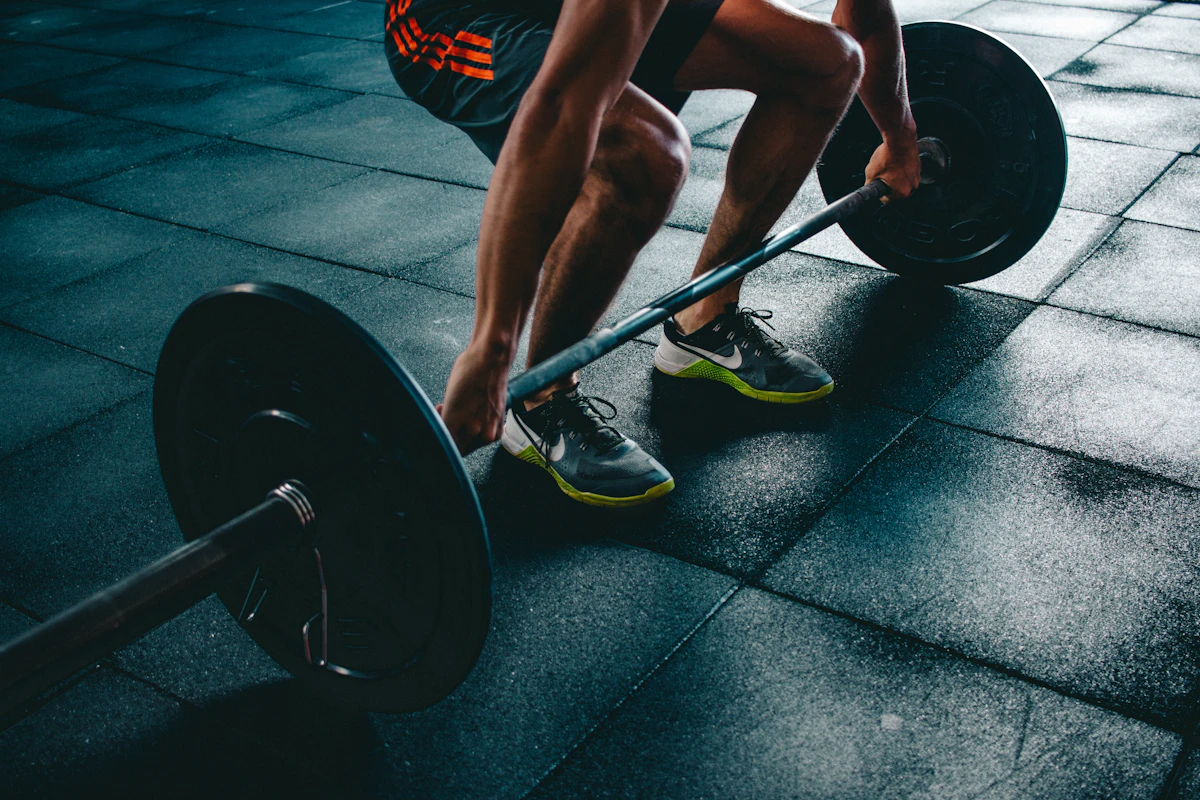
Why Short Workouts Can Still Be Effective
Many people assume workouts only matter if they last an hour or more. But consistency often matters more than workout length.
Short exercise sessions may help improve circulation, support metabolism, reduce stress, and increase energy throughout the day.
Studies indicate even moderate daily movement can contribute to better overall health when combined with healthy lifestyle habits.
The key is choosing realistic routines you can actually maintain long term.
The 15-Minute No-Gym Home Workout
This workout is designed for busy professionals who want something simple, effective, and beginner-friendly.
No gym membership. No complicated machines. Just bodyweight movements and consistency.
1. Jumping Jacks — 2 Minutes
Jumping jacks are a simple way to increase heart rate and warm up the body quickly.
They help activate multiple muscle groups while improving circulation and energy levels.
If jumping feels uncomfortable, you can modify the movement by stepping side to side instead.
2. Bodyweight Squats — 3 Minutes
Squats help strengthen the legs, glutes, and core while supporting everyday movement.
Stand with feet shoulder-width apart, lower your body slowly, then return to standing.
Focus on controlled movement rather than speed.
Many fitness experts recommend squats because they train multiple large muscle groups at once.
3. Push-Ups — 2 Minutes
Push-ups help strengthen the chest, shoulders, arms, and core without requiring equipment.
Beginners can modify push-ups by placing knees on the floor or using a wall for support.
The goal is steady progress, not perfection.

4. Plank Hold — 2 Minutes
Planks are excellent for improving core stability and posture.
Hold your body in a straight line while keeping your abdominal muscles engaged.
Even short plank sessions may help strengthen muscles that support the spine and posture during long office hours.
5. Mountain Climbers — 3 Minutes
Mountain climbers combine cardio and core engagement in one movement.
They may help improve endurance while increasing heart rate quickly.
Move at a comfortable pace and focus on maintaining control rather than rushing.
6. Stretch and Cool Down — 3 Minutes
Cooling down is often overlooked, especially during busy days.
Simple stretches for the hips, hamstrings, shoulders, and lower back may help reduce tightness caused by sitting for long periods.
Slow breathing during stretching may also help the body transition out of stress mode.
Why Home Workouts Work Well for Professionals
One of the biggest advantages of home workouts is convenience.
You don’t need commute time, expensive memberships, or complicated planning. That simplicity often makes consistency much easier.
Many professionals find quick workouts mentally refreshing during stressful weeks because movement helps break up long periods of sitting and screen time.
Some experts recommend short exercise sessions during busy periods because realistic habits are more sustainable than extreme routines.
Simple Tips to Stay Consistent
- Schedule workouts like appointments
- Keep workout clothes easily accessible
- Exercise at the same time daily
- Start small instead of aiming for perfection
- Focus on progress rather than intensity
Even 15 minutes daily can feel easier to maintain than overwhelming workout plans that quickly lead to burnout.
Workout Comparison Table
| Exercise | Primary Benefit | Time |
|---|---|---|
| Jumping Jacks | Cardio warm-up | 2 Minutes |
| Squats | Lower body strength | 3 Minutes |
| Push-Ups | Upper body strength | 2 Minutes |
| Plank Hold | Core stability | 2 Minutes |
| Mountain Climbers | Cardio + core | 3 Minutes |
| Stretching | Recovery and flexibility | 3 Minutes |
Do’s and Don’ts for Home Workouts
Do’s
- Warm up before intense movement
- Stay hydrated during workouts
- Use proper form and control
- Listen to your body carefully
- Stay consistent with shorter routines
Don’ts
- Don’t overtrain suddenly
- Don’t compare yourself to social media fitness trends
- Don’t skip recovery completely
- Don’t ignore pain or discomfort
- Don’t expect overnight results
Healthbite Expert Tip
One of the easiest ways to build a lasting workout habit is removing friction. Keep workouts short, realistic, and easy to start. Consistency with manageable routines often creates better long-term results than intense plans that feel impossible to maintain.
FAQs
Can a 15-minute workout really be effective?
Yes. Short workouts may still support energy, fitness, mobility, and stress management when done consistently.
Do I need equipment for home workouts?
No. Many effective beginner-friendly workouts use only bodyweight exercises.
What’s the best time to exercise?
The best time is usually the one you can maintain consistently within your schedule.
Can beginners follow this routine?
Yes. Most exercises can be modified to fit different fitness levels and physical abilities.
How often should I do home workouts?
Many people aim for several short sessions per week depending on their goals, schedule, and recovery needs.
Final Thoughts
Busy schedules don’t always leave room for long gym sessions, but that doesn’t mean fitness has to disappear completely.
Simple home workouts may help improve energy, strength, posture, and stress levels without requiring major lifestyle changes.
The goal isn’t perfection. It’s creating movement habits that feel practical enough to continue even during hectic weeks.
Sometimes just 15 focused minutes can help your body and mind feel noticeably better.
🎥 Recommended Wellness Video
https://youtube.com
━━━━━━━━━━━━━━━━━━


0 Comments