

Introduction
High-protein superfoods have become a major focus in modern wellness, especially for people in the USA looking to support a more active metabolism and balanced lifestyle. While there is no single food that magically transforms your body, research suggests that protein-rich foods can help the body feel fuller longer, support muscle maintenance, and increase the energy used during digestion.
In everyday life, this simply means your meals can work a little harder for you. Instead of constant snacking or energy crashes, high-protein foods may help stabilize hunger and support more consistent energy throughout the day. Many people find that when they replace refined carbs with protein-rich options, their eating patterns naturally become more balanced.
Main Content
Why Protein Matters for Metabolism
Protein plays a unique role in the body because it requires more energy to digest compared to fats and carbohydrates. This is often referred to as the thermic effect of food. Studies indicate that this process may slightly increase calorie expenditure after meals, which is one reason high-protein diets are often associated with weight management support.
But beyond metabolism, protein is essential for muscle repair, hormone balance, and maintaining healthy tissues. Even small improvements in protein intake can make daily energy levels feel more stable, especially when paired with regular movement.
Top High-Protein Superfoods You Can Easily Add
You don’t need expensive supplements to increase your protein intake. Many everyday foods are naturally rich in protein and widely available in American grocery stores.
- Eggs: A complete protein source that supports fullness and muscle maintenance.
- Greek Yogurt: High in protein and easy to mix with fruits or oats.
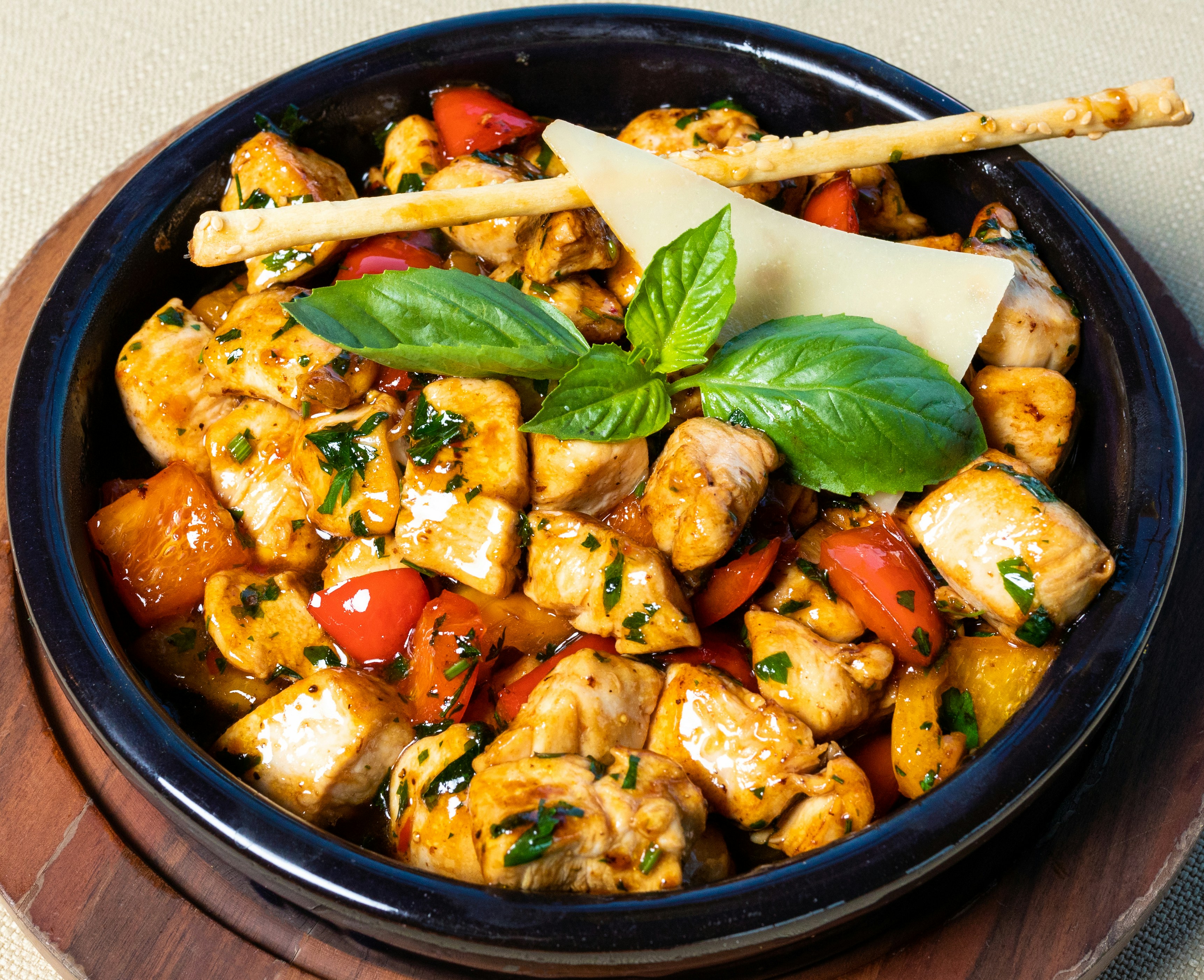
- Chicken Breast: Lean, versatile, and widely used in meal prep.
- Lentils: Plant-based protein with fiber for digestive support.
- Salmon: Provides protein plus healthy omega-3 fats.
- Chia Seeds: Small but nutrient-dense with plant protein and fiber.
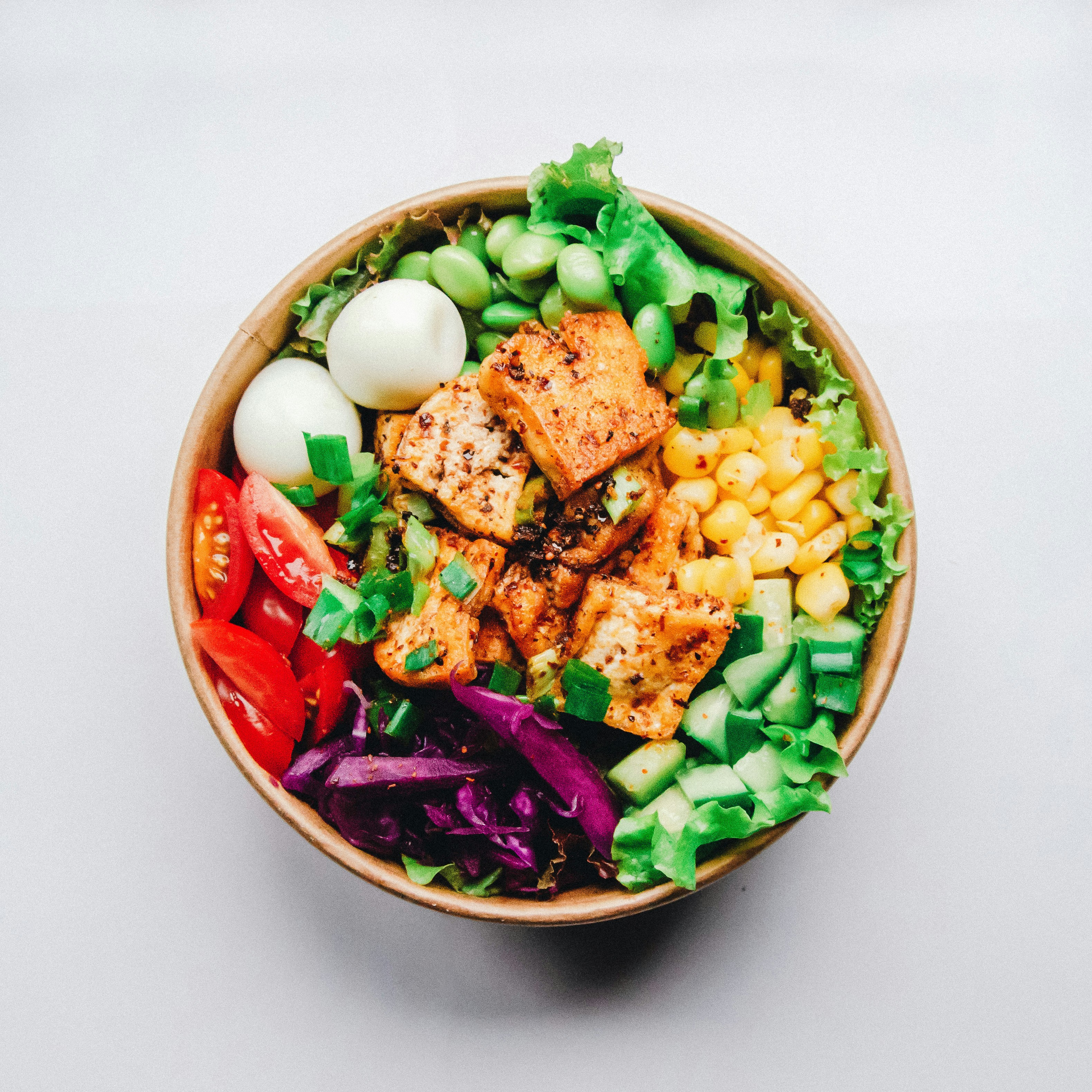
Some experts recommend combining both animal and plant-based protein sources for a more balanced nutrient intake. This approach also helps add variety, which is important for long-term eating habits.
How These Foods Support Daily Energy
One of the most noticeable benefits of high-protein meals is improved satiety. Instead of feeling hungry shortly after eating, protein-rich meals tend to keep you satisfied longer. This can naturally reduce unnecessary snacking, especially on processed foods.
Many people also report steadier energy levels during the day. While this is not a medical treatment or guaranteed effect, it aligns with how protein is digested more slowly compared to simple carbohydrates. Over time, this can support more consistent eating habits.
Simple Ways to Add Protein to Your Day
You don’t need to overhaul your entire diet. Small changes often work best. For example, adding eggs to breakfast instead of sugary cereal, or swapping a snack for Greek yogurt can make a noticeable difference.
Another practical idea is meal prepping lean proteins like chicken or lentils at the start of the week. This makes it easier to build balanced meals without extra effort during busy days.
Comparison Table
| Food | Protein Level | Main Benefits | Best Use |
|---|---|---|---|
| Eggs | High | Full protein, supports fullness | Breakfast meals |
| Greek Yogurt | High | Gut-friendly, quick snack | Snacks or smoothies |
| Chicken Breast | Very High | Lean muscle support | Main meals |
| Lentils | Moderate-High | Fiber + plant protein | Soups, salads |
| Salmon | High | Protein + omega-3 fats | Dinner meals |
Do’s & Don’ts (Pros & Cons)
Do’s
- Include protein in every meal for balance
- Mix plant and animal protein sources
- Stay hydrated to support digestion
- Combine protein with fiber-rich foods
Don’ts
- Don’t rely only on processed protein snacks
- Don’t ignore vegetables and healthy fats
- Don’t assume more protein always means better results
- Don’t skip balanced meals in favor of supplements only
Healthbite Expert Tip
A simple but effective approach is to aim for “protein anchoring” in your meals. This means starting each meal with a solid protein source before adding carbs or fats. Many people find this naturally improves portion control and reduces overeating without strict dieting.
Research suggests that consistency matters more than perfection. Even small daily improvements in protein intake can build better long-term eating habits.
FAQs
1. Can high-protein foods boost metabolism?
They may slightly increase calorie burn due to digestion demands, but overall lifestyle plays a bigger role in metabolism.
2. How much protein do I need daily?
It depends on body weight and activity level, but many adults aim for a balanced intake spread across meals.
3. Are plant-based proteins enough?
Yes, when combined properly. Foods like lentils, beans, and quinoa can provide strong protein support.
4. Can I eat high-protein foods every day?
Yes, most whole food protein sources are safe for daily use as part of a balanced diet.
5. Is protein powder necessary?
Not always. Whole foods often provide enough protein, but supplements can be convenient for busy schedules.
Final Thoughts
High-protein superfoods are not a quick fix, but they are a practical and sustainable part of a healthy eating pattern. When included consistently, they can support better fullness, steadier energy, and improved meal balance.
The key is simplicity. You don’t need extreme diets or complicated routines. Just focusing on whole, nutrient-dense foods and adding protein to each meal can gradually improve how your body feels throughout the day.
Over time, these small choices build habits that feel natural and easy to maintain.
━━━━━━━━━━━━━━━━━━
🎥 Recommended Wellness Video
━━━━━━━━━━━━━━━━━━


0 Comments