

Bloating can turn an otherwise normal day into an uncomfortable one surprisingly fast. One moment you feel fine, and the next your stomach feels tight, heavy, swollen, or unusually full.
For some people, bloating happens after eating too quickly. Others notice it during stressful days, hormonal changes, poor sleep, or after certain foods. While occasional bloating is common, it can still feel frustrating and exhausting.
The encouraging part is that several simple home remedies may help ease bloating naturally. In fact, research suggests certain habits, drinks, and gentle movements can support digestion and reduce trapped gas more effectively than many people realize.
You don’t need complicated detox products or extreme cleanses. Often, the most effective bloating relief methods are simple, calming, and easy to do at home.
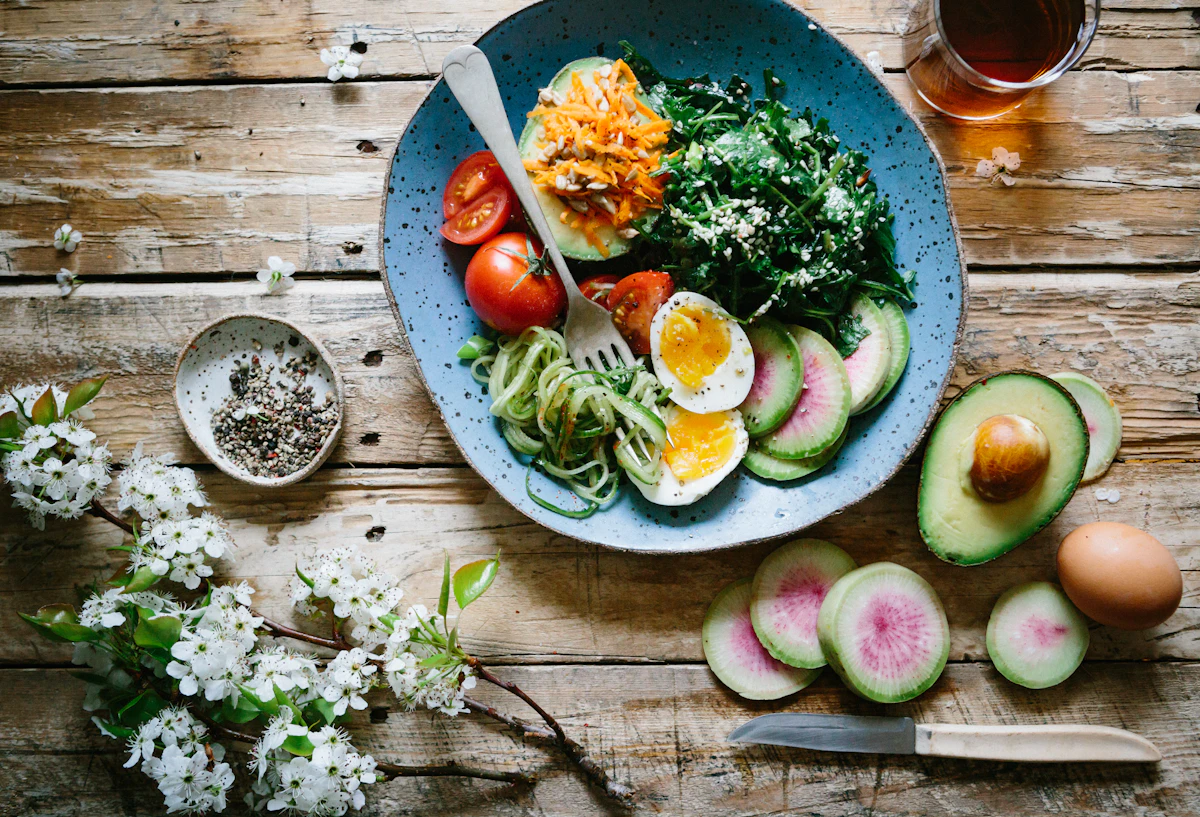
Why Bloating Happens in the First Place
Bloating is often linked to excess gas, slow digestion, overeating, food sensitivities, or temporary water retention.
Sometimes it’s caused by eating too fast and swallowing extra air. Other times, stress and anxiety may quietly affect digestion more than expected.
Research suggests the gut and brain are closely connected, which means emotional stress can sometimes trigger digestive discomfort and abdominal tightness.
Common triggers may include:
- Carbonated drinks
- Highly processed foods
- Eating too quickly
- Excess sodium intake
- Stress and anxiety
- Lack of movement
- Certain dairy or high-fiber foods
1. Warm Lemon Water
One of the simplest home remedies for bloating is starting with warm water and fresh lemon.
Many people find warm liquids soothing because they may help support digestion and hydration gently.
Lemon water is not a miracle cure, but staying hydrated may help reduce temporary water retention and support normal digestive function.
Try sipping a warm glass slowly instead of drinking it too quickly.
2. Peppermint Tea
Peppermint tea has been used for digestive comfort for years. Some studies indicate peppermint may help relax digestive muscles and reduce feelings of stomach discomfort.
Warm peppermint tea can feel especially soothing after heavy meals or stressful days.
Many people enjoy it in the evening because it feels calming both physically and mentally.
3. Gentle Walking After Meals
Lying down immediately after eating can sometimes make bloating feel worse.
A short walk after meals may help stimulate digestion naturally while reducing feelings of heaviness.
You don’t need intense exercise. Even a relaxed 10–15 minute walk may help the digestive system move more comfortably.
Some experts recommend light movement after meals because prolonged sitting may contribute to sluggish digestion.
4. Ginger for Digestive Comfort
Ginger is one of the most widely known natural digestive remedies.
Research suggests ginger may support digestion and help reduce feelings of nausea or stomach discomfort in some individuals.
You can try:
- Fresh ginger tea
- Warm ginger water
- Adding ginger to meals
- Small amounts of ginger smoothies
The warming sensation of ginger often feels especially comforting during digestive discomfort.
5. Deep Breathing and Stress Reduction
Stress doesn’t only affect the mind. It may also influence digestion.
Many people notice bloating becomes worse during emotionally stressful periods or anxious days.
Slow breathing exercises may help calm the nervous system and reduce tension linked to digestive discomfort.
A simple breathing method:
- Inhale slowly for 4 seconds
- Hold briefly
- Exhale gently for 6 seconds
Repeat for several minutes while relaxing your shoulders and stomach muscles.
6. Avoid Eating Too Quickly
Busy schedules often lead people to rush meals without noticing.
Eating too fast may cause extra air swallowing, which can increase bloating and stomach pressure.
Slowing down meals, chewing carefully, and eating without distractions may improve digestion more than people expect.
Many experts recommend mindful eating habits because digestion begins before food even reaches the stomach.
7. Potassium-Rich Foods
Temporary bloating linked to excess sodium may sometimes improve with potassium-rich foods.
Potassium helps balance fluid levels in the body naturally.
Foods often associated with potassium include:
- Bananas
- Avocados
- Spinach
- Sweet potatoes
- Coconut water
Balance matters. The goal isn’t extreme dieting but supporting hydration and healthy digestion gently.
Comparison Table
| Home Remedy | Main Benefit | Best Time to Try |
|---|---|---|
| Warm Lemon Water | Hydration support | Morning |
| Peppermint Tea | Digestive relaxation | After meals |
| Walking | Improved digestion | Post-meal |
| Ginger | Digestive comfort | Anytime |
| Deep Breathing | Stress reduction | Evening |
Do’s and Don’ts for Bloating Relief
Do’s
- Drink enough water daily
- Eat meals slowly
- Move your body regularly
- Choose whole foods when possible
- Pay attention to food triggers
Don’ts
- Don’t overeat large meals too quickly
- Don’t rely on extreme detox products
- Don’t ignore chronic digestive discomfort
- Don’t consume excessive sodium regularly
- Don’t stay inactive all day
Healthbite Expert Tip
One of the most underrated ways to reduce bloating naturally is slowing down daily routines. Eating calmly, managing stress, staying hydrated, and taking short walks after meals may quietly improve digestion more effectively than extreme diet trends.
FAQs
What causes sudden bloating?
Sudden bloating may happen due to overeating, gas buildup, stress, food sensitivities, or temporary water retention.
Does drinking water help bloating?
Yes. Proper hydration may help support digestion and reduce water retention linked to excess sodium intake.
Can stress really affect digestion?
Research suggests stress and anxiety may influence digestive function and contribute to stomach discomfort in some people.
Is walking after meals good for digestion?
Many people find gentle walking after meals helpful because it may encourage digestion and reduce feelings of heaviness.
When should bloating be checked by a doctor?
Persistent bloating, severe pain, sudden weight loss, or digestive symptoms that continue for long periods should be evaluated by a healthcare professional.
Final Thoughts
Bloating is incredibly common, but that doesn’t make it any less uncomfortable. Fortunately, small natural habits may help support digestion and reduce that heavy, swollen feeling more gently than people often expect.
Simple remedies like warm drinks, mindful eating, stress reduction, gentle movement, and proper hydration can sometimes make a noticeable difference when practiced consistently.
The goal isn’t chasing instant perfection. It’s creating healthier daily habits that help your body feel calmer, lighter, and more balanced over time.
Sometimes real digestive relief starts with slowing down and listening to what your body actually needs.
🎥 Recommended Wellness Video
https://youtube.com
━━━━━━━━━━━━━━━━━━


0 Comments