

Busy schedules, late-night cravings, and drive-thru meals happen to almost everyone. A burger and fries after a stressful day may feel comforting in the moment, but many people later wonder how to balance those extra calories without spending hours at the gym.
That’s where short home workouts can make a real difference. A quick 15-minute routine won’t magically erase every fast-food meal, but it can help boost calorie burn, improve energy levels, and support a healthier daily routine. Even better, you don’t need fancy equipment or a fitness membership to get started.
Studies suggest that short bursts of high-intensity movement may help increase calorie burn efficiently while improving cardiovascular health. Many fitness experts also recommend combining movement with balanced eating habits instead of relying on restrictive dieting.
If you’re looking for a realistic, beginner-friendly workout that fits into a busy lifestyle, this simple routine may help you feel more energized and motivated after an indulgent meal.

Introduction
Fast food is convenient, affordable, and often hard to resist. From pizza nights to fried chicken cravings, these meals can add a surprising amount of calories in a short time. For example, a typical fast-food combo meal may contain anywhere from 800 to over 1,500 calories depending on portion size and toppings.
That doesn’t mean you need to feel guilty every time you enjoy your favorite comfort food. Healthy living is usually about consistency, not perfection. A quick workout session can help you stay active, support metabolism, and create a more balanced routine overall.
The best part? This workout is designed for regular people. No complicated exercises. No intimidating gym machines. Just simple movements you can do in your living room, bedroom, or even a small apartment space.
Main Content
This 15-minute home workout focuses on full-body movements that keep your heart rate elevated while engaging multiple muscle groups at once. That combination may help maximize calorie burn in a shorter period.
Before starting, wear comfortable shoes, keep water nearby, and clear enough space to move safely.
Warm-Up (2 Minutes)
Never skip the warm-up. It helps prepare your muscles and reduces the chance of strain.
- March in place — 30 seconds
- Arm circles — 30 seconds
- Bodyweight squats — 30 seconds
- Light jumping jacks — 30 seconds
Keep movements gentle at first. Your body should feel loose and slightly warmer by the end.
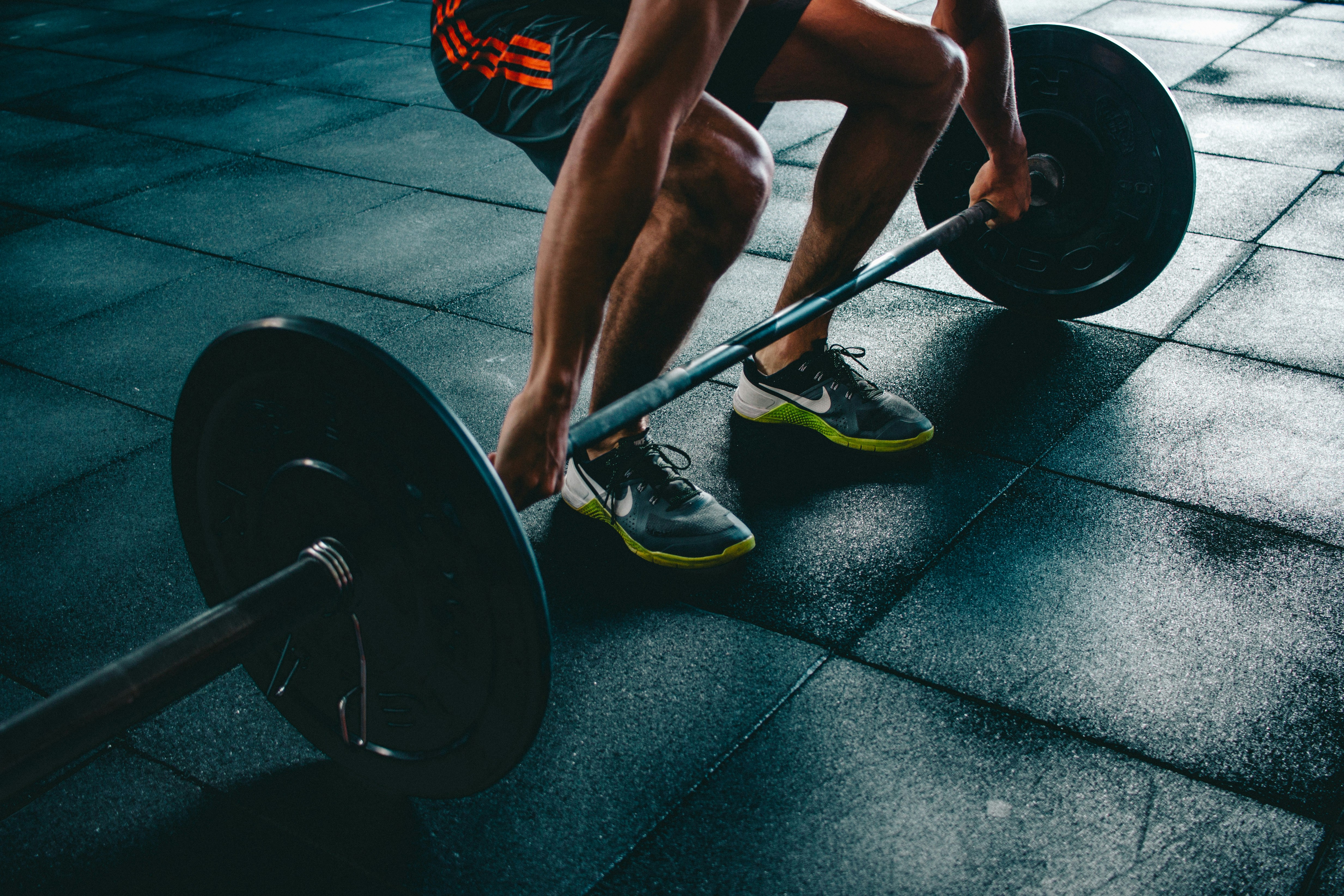
Workout Circuit (10 Minutes)
Perform each exercise for 40 seconds, then rest for 20 seconds before moving to the next movement. Complete the circuit twice.
1. Jumping Jacks
Jumping jacks quickly raise your heart rate and activate the entire body. If jumping feels uncomfortable, step side-to-side instead.
2. Bodyweight Squats
Squats target the legs and glutes while also engaging the core. Sit back like you’re lowering into a chair and keep your chest upright.
3. Mountain Climbers
This exercise combines cardio and core work. Move at your own pace. Beginners can slow things down while advanced users may increase speed.
4. Push-Ups
Traditional push-ups work the chest, shoulders, and arms. Knee push-ups are a completely acceptable modification for beginners.
5. High Knees
Drive your knees upward while pumping your arms. This movement helps elevate heart rate fast and may support calorie burn.
6. Plank Hold
Planks strengthen the core and improve stability. Keep your body straight from head to heels while breathing steadily.
Cool Down (3 Minutes)
Cooling down helps your body gradually recover.
- Forward fold stretch — 30 seconds
- Quad stretch — 30 seconds each leg
- Shoulder stretch — 30 seconds
- Deep breathing — 1 minute
Many people skip this step, but gentle stretching may help reduce stiffness after exercise.
Why Short Workouts Can Be Effective
Some people assume workouts need to last an hour to be useful. That’s not always true. Research suggests that short, consistent exercise sessions may still improve heart health, support weight management, and increase daily energy levels.
High-intensity interval-style workouts are especially popular because they combine strength and cardio in a time-efficient format. By keeping the body moving with minimal rest, you may continue burning calories even after the session ends.
Of course, exercise alone isn’t the full picture. Long-term wellness also depends on sleep, hydration, stress management, and overall eating habits.
Simple Ways to Balance Fast Food Habits
If fast food is part of your lifestyle occasionally, small adjustments can help create better balance without feeling restrictive.
- Choose grilled items more often when possible
- Drink water instead of sugary soda
- Add a side salad or fruit occasionally
- Watch portion sizes
- Stay active throughout the week
Many nutrition experts recommend focusing on consistency instead of trying to “punish” yourself after eating certain foods.
Comparison / Table
| Fast Food Item | Estimated Calories | Workout Benefit |
|---|---|---|
| Cheeseburger | 300–500 | Cardio intervals may help boost calorie burn |
| Large Fries | 400–600 | Leg-focused exercises engage major muscles |
| Pizza Slices (2) | 500–700 | Full-body circuits support overall activity |
| Milkshake | 500–900 | HIIT-style movement increases heart rate quickly |
Do's & Don'ts
Do's
- Stay hydrated before and after workouts
- Focus on consistency rather than perfection
- Modify exercises if needed
- Listen to your body and rest when necessary
- Pair workouts with balanced daily habits
Don'ts
- Don’t overexercise after eating fast food
- Don’t expect instant weight loss results
- Don’t skip warm-ups or cool-downs
- Don’t compare yourself to fitness influencers online
- Don’t rely on exercise alone for overall health
Healthbite Expert Tip
Try pairing this 15-minute workout with a short evening walk after meals. Some studies indicate that light movement after eating may help support digestion and blood sugar balance. Small daily habits often add up more effectively than extreme fitness routines.
FAQs
1. Can a 15-minute workout really help burn calories?
Yes, short workouts can still increase heart rate and support calorie burn, especially when they include full-body movements and minimal rest periods.
2. How often should I do this workout?
Many people find 3–5 sessions per week manageable, depending on fitness level and recovery needs.
3. Do I need equipment for this routine?
No. This workout uses bodyweight exercises only, making it beginner-friendly and easy to do at home.
4. Is it okay to exercise after eating fast food?
Light to moderate movement is generally fine for most people, but intense exercise immediately after a large meal may feel uncomfortable. Waiting a little while may help.
5. Will this workout help with weight loss?
Exercise may support weight management when combined with balanced nutrition, adequate sleep, and consistent healthy habits.
Final Thoughts
Fast food doesn’t have to completely derail your wellness goals. Life gets busy, cravings happen, and sometimes convenience wins. What matters most is building sustainable habits that support your overall health over time.
This simple 15-minute home workout offers a practical way to stay active, improve energy levels, and feel more balanced after indulgent meals. You don’t need perfection to make progress. Even a short burst of movement can help you feel stronger, more refreshed, and more motivated to keep going.
Consistency often matters far more than intensity. Small daily actions — like staying active, drinking more water, and making mindful food choices — can create meaningful long-term results.
🎥 Recommended Wellness Video
https://youtube.com
━━━━━━━━━━━━━━━━━━


0 Comments