

Introduction
For years, morning coffee has been almost sacred in American work culture. From crowded office kitchens to drive-thru coffee runs before sunrise, caffeine has long been the go-to solution for waking up and pushing through stressful schedules.
But recently, a quieter wellness trend has started gaining attention among busy professionals across the USA — micro-meditations.
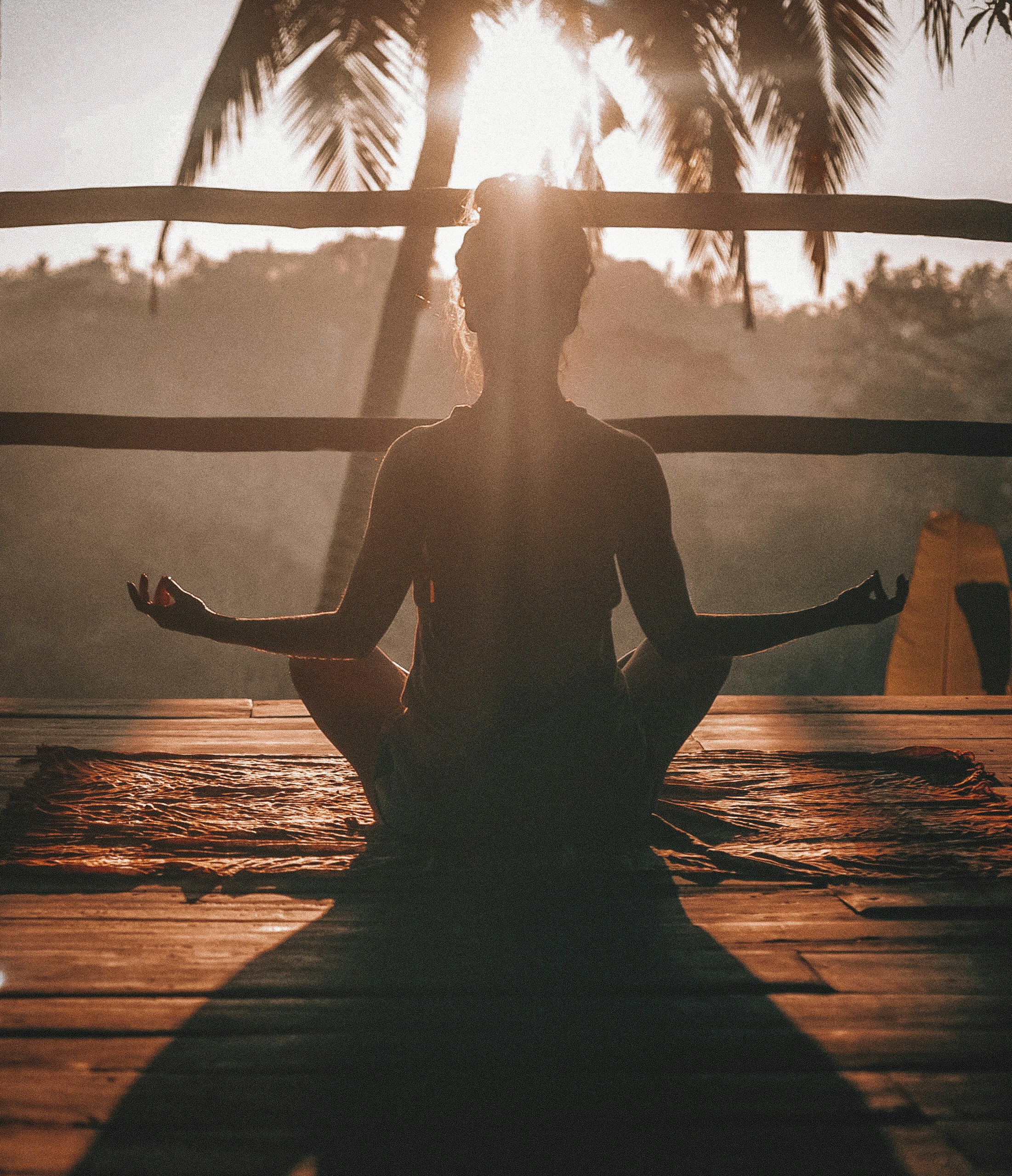
Instead of reaching for a second or third cup of coffee, many workers are experimenting with short mindfulness sessions lasting just one to five minutes. These quick mental resets are being used to reduce stress, improve focus, and create a calmer start to the day.
Research suggests that even brief moments of mindfulness may help regulate stress levels and improve emotional balance. Some professionals say they feel less mentally scattered and more productive after incorporating small meditation breaks into their routine.
The shift doesn’t necessarily mean people are giving up caffeine completely. In many cases, they’re simply trying to rely less on it while finding healthier ways to manage pressure and burnout.
Main Content
Modern work life can feel mentally exhausting before the day even begins. Endless notifications, packed calendars, remote meetings, traffic, and constant digital stimulation often leave people overwhelmed early in the morning.
Many professionals used to respond by increasing caffeine intake. While coffee can temporarily improve alertness, relying heavily on caffeine may sometimes contribute to jitteriness, disrupted sleep, and afternoon energy crashes.
That’s one reason micro-meditation routines are becoming more appealing.
What Are Micro-Meditations?
Micro-meditations are short mindfulness practices designed to fit into busy schedules. Unlike traditional meditation sessions that may last 20 to 40 minutes, these exercises can take as little as 60 seconds.
They usually involve:
- Deep breathing
- Short moments of silence
- Body awareness
- Gentle visualization
- Mindful focus exercises
The idea is simple: pause briefly, slow down mentally, and reset attention before stress builds up.
Many people find this approach less intimidating than longer meditation practices. It feels manageable, especially for professionals balancing work deadlines, family responsibilities, and nonstop schedules.
Why Professionals Are Making the Switch
Stress and burnout conversations have become much more common in workplaces over the past few years. Employees are paying closer attention to mental wellness, work-life balance, and sustainable productivity habits.
Micro-meditation fits naturally into that shift because it requires almost no equipment, no gym membership, and very little time.
A marketing executive working remotely may spend two minutes breathing deeply before opening email. A nurse might use a short grounding exercise during a break. Some startup founders even begin meetings with 60 seconds of silence to help teams focus.
These small habits may sound simple, but studies indicate mindfulness practices can support emotional regulation and lower feelings of stress over time.
Unlike energy drinks or extra caffeine, mindfulness techniques focus on calming the nervous system rather than stimulating it further.
The Connection Between Stress and Caffeine
Caffeine itself isn’t necessarily unhealthy for most people when consumed moderately. In fact, many experts agree coffee may offer certain benefits when balanced responsibly.
However, problems sometimes arise when caffeine becomes the primary tool for managing exhaustion or emotional stress.
Some professionals notice a cycle like this:
- Poor sleep leads to extra caffeine
- Too much caffeine increases anxiety or restlessness
- Stress affects sleep again
- The cycle repeats daily
Micro-meditation offers a different approach. Instead of pushing the body harder, it encourages moments of recovery throughout the day.

Popular Types of Micro-Meditation
One reason this trend is spreading quickly is flexibility. There’s no single “correct” method.
1. Box Breathing
This technique involves inhaling for four seconds, holding for four seconds, exhaling for four seconds, and pausing again. Many people use it before stressful meetings.
2. Gratitude Pause
Some professionals spend one minute thinking about three things they appreciate before checking their phones in the morning.
3. Mindful Walking
Instead of scrolling social media during short breaks, people take a slow walk while paying attention to breathing and surroundings.
4. Desk Reset Meditation
This involves closing the eyes for two minutes, relaxing the shoulders, and focusing only on breathing.
5. Guided Audio Sessions
Many wellness apps now offer short meditations specifically designed for busy professionals. Some last under three minutes.
Why This Trend Appeals to Younger Workers
Millennials and Gen Z professionals are often more open to discussing mental wellness openly than previous generations. Workplace conversations around burnout, anxiety, and digital overload are becoming more normalized.
Because of that, mindfulness practices no longer feel as “alternative” as they once did.
Some companies are even integrating wellness breaks into office culture. Remote workers, especially, are seeking ways to create boundaries between work and personal life.
Micro-meditation provides a simple, accessible tool that doesn’t feel overwhelming.
Can Short Meditation Actually Help?
Studies suggest mindfulness practices may support concentration, emotional resilience, and stress management. While a two-minute breathing exercise won’t eliminate every challenge, consistent practice may help people feel calmer and more mentally clear.
Some experts also recommend pairing mindfulness with healthy habits like:
- Better sleep routines
- Regular movement
- Balanced meals
- Reduced screen time before bed
- Hydration throughout the day
Micro-meditation works best as part of a broader wellness routine rather than a quick fix.
Comparison / Table
| Morning Habit | Potential Benefits | Possible Downsides |
|---|---|---|
| Multiple Cups of Coffee | Temporary energy boost | Jitters, crashes, sleep disruption |
| Micro-Meditation | Stress reduction and mental clarity | Requires consistency for noticeable results |
| Energy Drinks | Fast stimulation | May increase anxiety or restlessness |
| Morning Walk | Boosts mood and circulation | May require extra time |
Do's & Don'ts
Do's
- Start with short meditation sessions
- Create a quiet morning routine when possible
- Use breathing exercises during stressful moments
- Stay hydrated throughout the day
- Combine mindfulness with healthy sleep habits
Don'ts
- Don’t expect instant stress relief overnight
- Don’t replace medical care with meditation
- Don’t force long sessions if they feel overwhelming
- Don’t rely entirely on caffeine for energy management
- Don’t compare your mindfulness journey to others
Healthbite Expert Tip
Try pairing your morning coffee with a two-minute breathing exercise instead of quitting caffeine immediately. Many people find gradual habit changes more sustainable and less stressful than sudden lifestyle overhauls.
FAQs
1. What is a micro-meditation?
A micro-meditation is a short mindfulness exercise that usually lasts between one and five minutes.
2. Can micro-meditation replace coffee completely?
Not necessarily. Some people still enjoy coffee while using meditation to manage stress more naturally.
3. How often should I practice micro-meditation?
Many professionals practice it daily, especially during stressful work periods or before meetings.
4. Do I need a meditation app?
No. While apps can help beginners, simple breathing exercises can be done anywhere without technology.
5. Is micro-meditation suitable for beginners?
Yes. Its short format makes it approachable for people who feel intimidated by traditional meditation routines.
Final Thoughts
The growing popularity of micro-meditation reflects a larger shift in how professionals view wellness and productivity. Instead of constantly pushing through stress with caffeine and nonstop stimulation, many people are looking for healthier ways to feel focused and emotionally balanced.
Small mindfulness habits may not solve every challenge, but they can create moments of calm in an otherwise busy day. For overwhelmed professionals, even a two-minute pause can feel surprisingly refreshing.
As workplace stress continues to evolve, simple routines like micro-meditation may become an increasingly common part of modern morning habits across the USA and beyond.
🎥 Recommended Wellness Video
https://youtube.com
━━━━━━━━━━━━━━━━━━


0 Comments